|
1
|
|
|
2
|
- Community-Based
- Voluntary
- Provides Framework for Focus and Coordination
- Provides Forum to Develop Partnerships
- Assist in Leveraging Resources
- Assist in Grant Applications
|
|
3
|
- Created in Response to EPAct of 1992
- Promote use of alternative transportation fuels that decrease reliance
on petroleum fuels and imported oil
- Advance transportation technologies that are more efficient,
sustainable and environmentally friendly
|
|
4
|
- Biodiesel
- Electricity
- Ethanol
- Methanol
- Natural Gas
- LPG
- LNG
- Hydrogen
|
|
5
|
- Take Steps to Become Designated Coalition
- Organize Coalition Activities
- Appoint a Coordinator
- Commit to
- Purchase AFVs
- Build or Expand Infrastructure
- Support Idle Reduction Technologies
- Increase use of Fuel Blends
- Develop a Strategic Program Plan
|
|
6
|
- Access to DOE Regional Clean Cities Advisor
- Assistance from State Energy Office
- A Hotline
- A Website (toolkit)
- Workshops, National Conferences, Webcasts, Regional Meetings
|
|
7
|
- Public Recognition of Local Stakeholders as Community Champions
- Networking opportunities
- Assistance with Public Outreach Activities
- Fund raising, grant writing, and market development training
- Competitive funding opportunities available ONLY to designated
coalitions
|
|
8
|
- Educate Public
- Encourage Fuel Economy Practices
- Expand Infrastructure
- Reduce Transportation Vehicle Emissions
- Increase Public Awareness of Benefits of Technologies
- Expand Fuel Choices
- Develop “Clean Corridors”
|
|
9
|
- Nine Step Requirements
- Step 1. Form a Coalition and Hold Stakeholder Meetings
- Step 2. Appoint a Coordinator
- Step 3. Establish Stakeholder Commitments
- Step 4. Set Goals, Plan Action Steps and Monitor Progress
- Step 5. Establish a Market Foundation Prior to Designation
- Step 6. Develop a Program Plan
- Step 7. Sign a Memorandum of Understanding and Celebrate Designation
- Step 8. Implement the Program Plan
- Step 9. Set Goals
|
|
10
|
- Implementation of Strategic Plan
- Become Self-Sustainable
- Provide Annual Updates to DOE
- Hold Regular Stakeholder Meetings
- Set New Coalition Goals
- Re-Designation Every Five Years
|
|
11
|
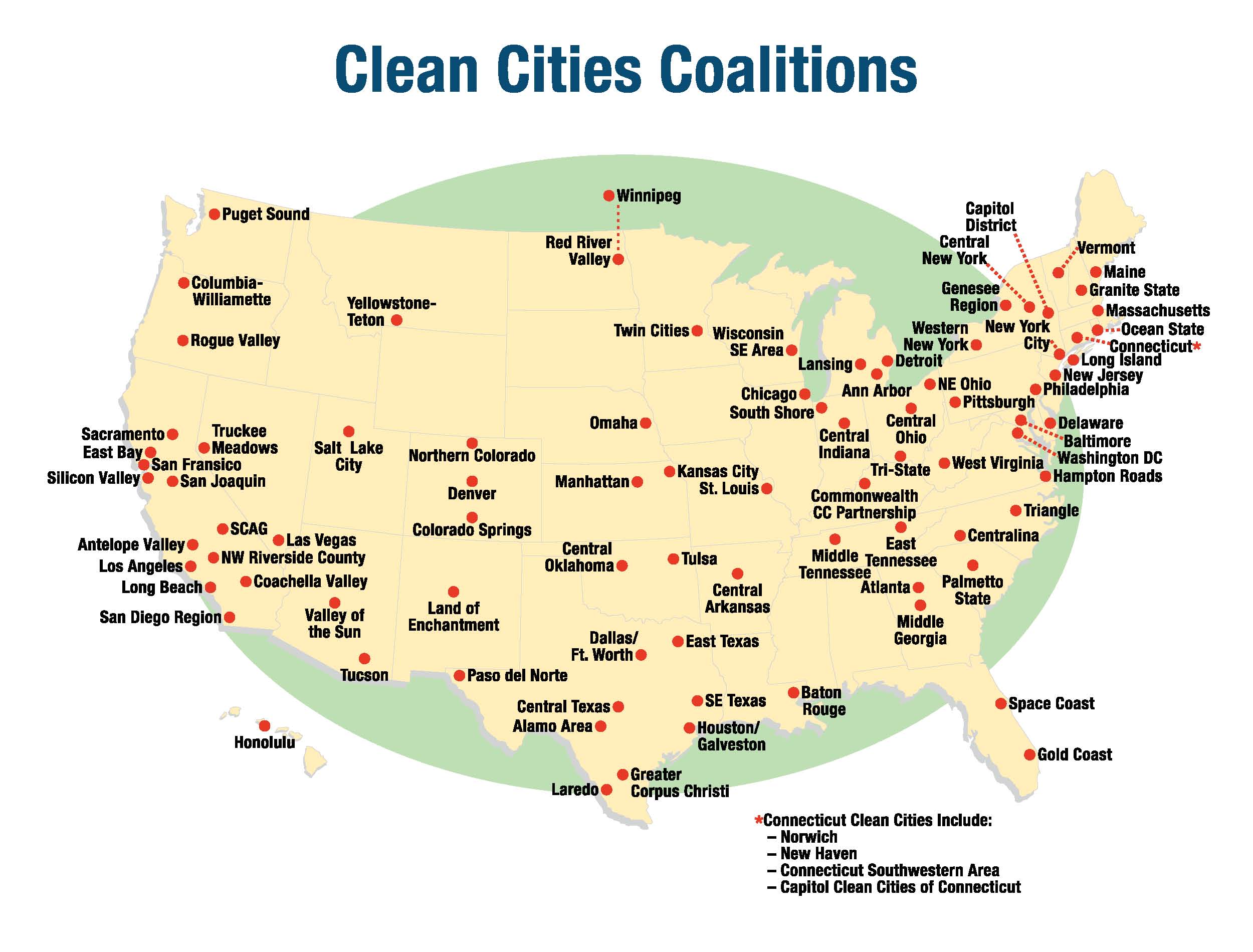
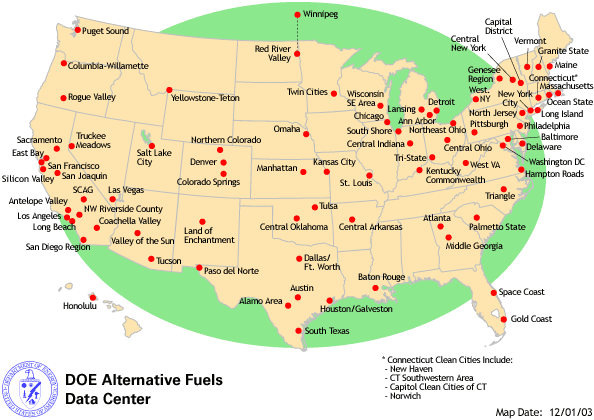
- Currently more than 88 active coalitions serving 63% of the U.S.
population
- 4,300+ Stakeholders
- 181M gallons of petroleum displaced annually
- 32,000 metric tons of emissions reduced annually
|
|
12
|
|
|
13
|
|
|
14
|
- SECO Provides Grant Writing Workshops
- Basic Elements of Grant Writing
- Designing Successful Grant Proposals
- Research and Development of Proposal Ideas
- Guidance for Project Development and Project Research
- Assists in Proposal Preparation for those who ask!
|
|
15
|
- Mary-Jo Rowan
- Program Manager
- Alternative Fuels and Transportation Programs
- Phone: 512-463-2637
- Fax: 512-475-2569
- E-mail: mary-jo.rowan@cpa.state.tx.us
- SECO Web Site: www.seco.cpa.state.tx.us
|

 Notes
Notes